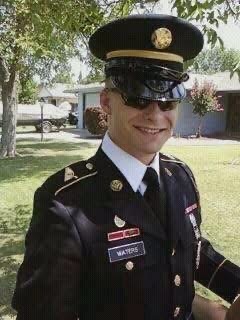
U.S. Army Veteran and IBEW Local 1245 member Joey Waters
From presidential ceremonies in Washington, D.C., to protecting communities through vegetation management, U.S. Army Veteran and IBEW Local 1245 member Joey Waters reflects on service, brotherhood, family, and finding his place after the military.
For many Veterans, military service opens doors to experiences they never could have imagined. But the journey that follows can bring an entirely different set of challenges: discovering a new purpose, building a career, and learning who they are outside the uniform.
For IBEW Local 1245 member Joey Waters, a Vegetation Management Inspector with ACRT Pacific, that journey has taken him from serving alongside fellow Soldiers in the United States Army to helping protect communities through the utility industry.
Along the way, he has learned that some of the most important lessons of military service have little to do with rank or assignment. They’re about accountability, camaraderie, perseverance, and appreciating the people who matter most.
An Opportunity to Build a Future
Waters served in the United States Army from 2008 to 2013, holding the military occupational specialty of 31B, Military Police.
Like many young people considering military service, he was looking for an opportunity to build a better future.
Growing up in California, he wanted to experience something different, travel beyond familiar surroundings, and create opportunities for himself after high school.
The Army offered him that chance.
His military service took him to Missouri and Washington, D.C., where he served with the Army’s 3rd U.S. Infantry Regiment, commonly known as the Old Guard.
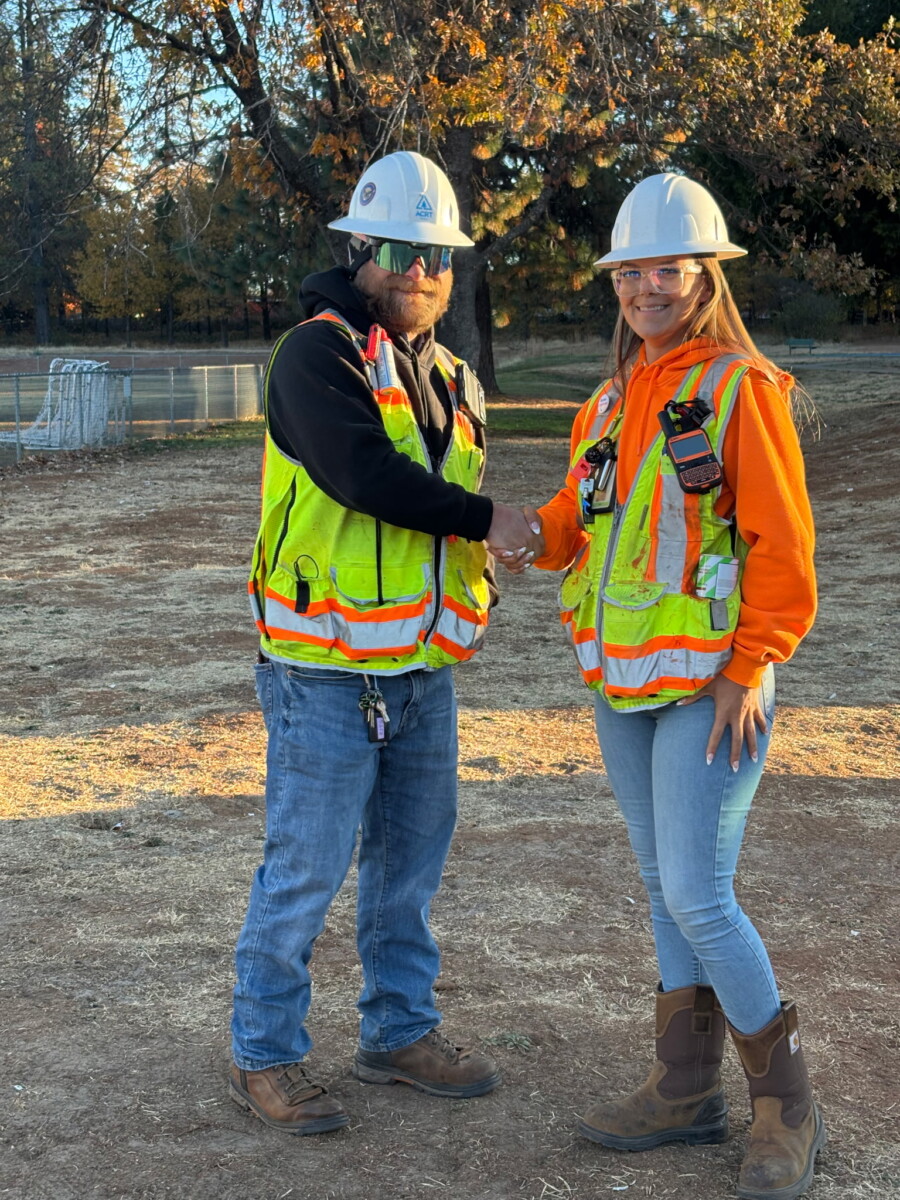
Army Veteran and IBEW 1245 member Joey Waters with Veterans Committee Member Eva Schauffler.
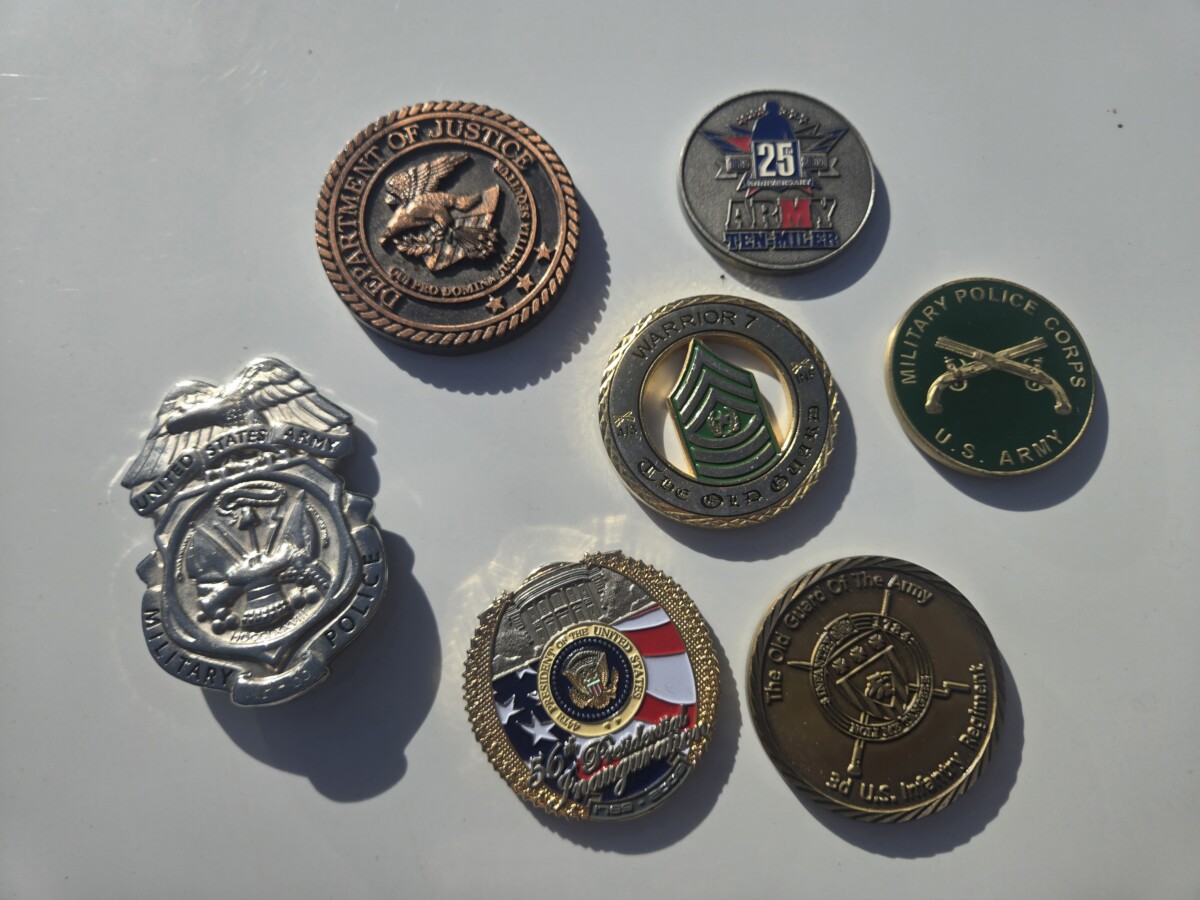
During his time with the Old Guard, Waters participated in presidential details and duties associated with the Tomb of the Unknown Soldier, responsibilities that placed him in some of the nation’s most recognizable military and ceremonial settings.
His assignments also gave him opportunities to travel in support of presidential activities.
Among his most memorable experiences was participating in President Barack Obama’s inauguration.
He also recalls an extraordinary opportunity to play basketball with President Obama and receive a presidential coin.
Toward the end of President George W. Bush’s administration, Waters had the opportunity to meet him as well.
“Those are experiences that most people only dream about, and I’m grateful I had the opportunity to be part of them,” he reflected.
But while those moments stand out, the people he served alongside would leave an equally lasting impression.
The People Who Make a Difference
Throughout his military service, Waters encountered individuals who challenged him, encouraged him, and helped shape the person he would become.
Among them was Special Forces Veteran Tim Kennedy, whom Waters met through Ranger Up mixed martial arts events.
He also remembers First Sergeant Corey Henderson, a dedicated bodybuilder who encouraged those around him to continually improve themselves.
But one individual stands out above the others.
Sergeant John Russell helped Waters through one of the most difficult periods of his life following the death of his brother.
During a time of profound personal loss, Russell provided support that Waters has never forgotten.
“Having someone there to support me during that experience meant a lot, and I’ll always remember that,” he shared.
 For Waters, that experience reinforced the importance of looking out for one another, a lesson that would follow him long after leaving military service.
It also demonstrated that brotherhood is not simply about working together or completing a mission. Sometimes, it means being there for someone when they need it most.
Facing the Unknown
When Waters left the Army in 2013, he encountered a challenge familiar to many transitioning service members.
He knew the military had given him valuable skills and experiences, but he wasn’t entirely sure what came next.
“The biggest one was what I call the fear of the unknown,” he explained.
Although he had served in the Military Police, he had no desire to pursue a civilian career in law enforcement.
Instead, he found himself searching for a new direction.
“When you leave the military, you don’t always know exactly what you’re going to do next,” he reflected.
For Waters, the challenge was not simply finding employment. It was finding a career that offered a sense of purpose and allowed him to continue contributing to his community.
The answer would eventually come through an unexpected conversation at a family gathering.
From Military Police to Vegetation Management
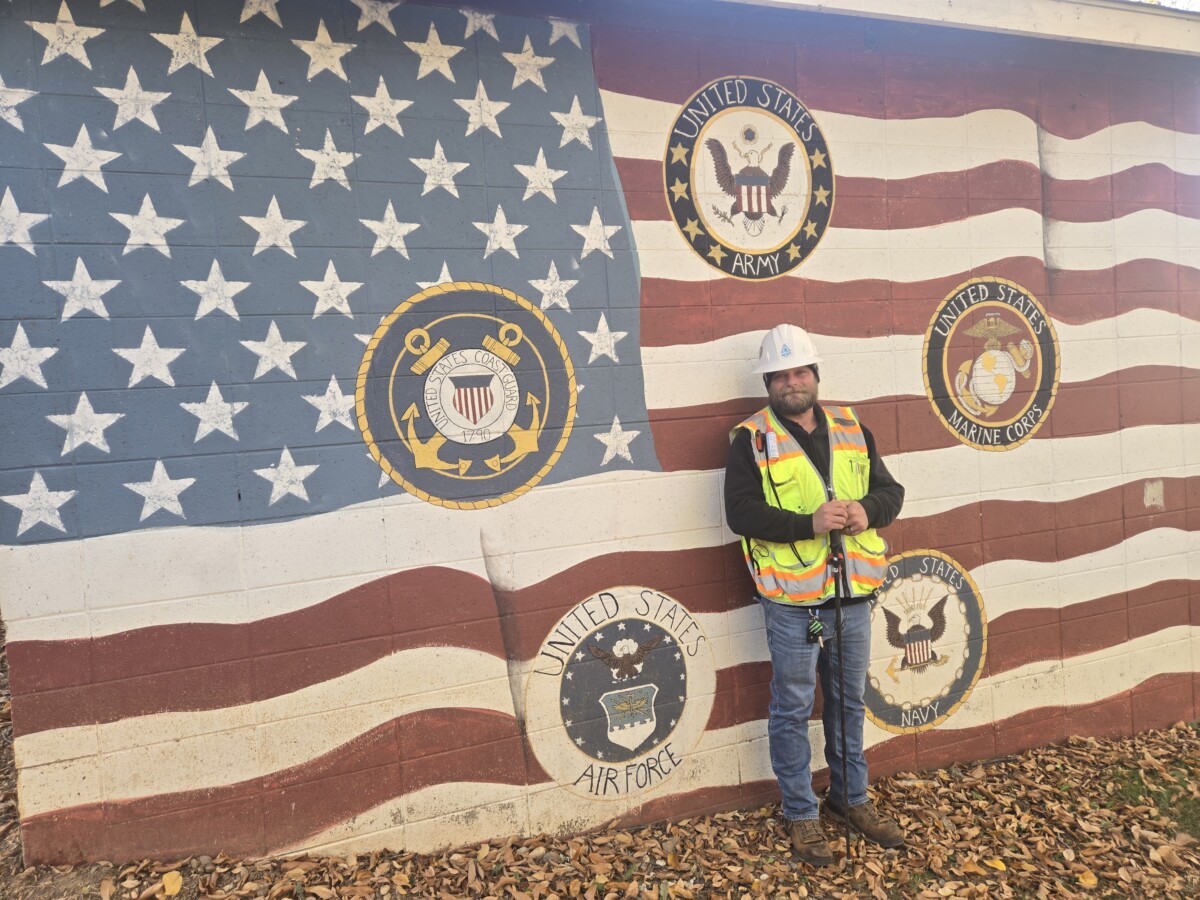 Waters was attending a birthday party when his cousin mentioned that contractors working with PG&E were hiring people to inspect trees and identify potential hazards.
At first, the opportunity sounded almost too good to be true.
“I couldn’t believe you could actually get paid to look at trees!” he recalled.
But as he learned more about vegetation management, he began to understand the importance of the work.
Vegetation Management Inspectors help identify trees and other vegetation that could pose risks to electrical infrastructure, public safety, and the communities served by utilities.
The work involves far more than walking through wooded areas. It requires attention to detail, sound judgment, communication, and an understanding of how seemingly small hazards can have serious consequences.
For Waters, those responsibilities offered something he had been searching for since leaving the military: meaningful work that contributed to the safety of others.
He eventually entered the vegetation management industry and became a member of IBEW Local 1245.
Today, he works for ACRT Pacific, where he continues applying lessons learned during his Army service.
Accountability Is More Than a Word
When asked which military lessons have remained most important in his civilian career, Waters pointed to punctuality, accountability, preparation, and the willingness to learn from mistakes.
“In the military, we always said, ‘If you’re on time, you’re late,'” he explained.
That philosophy continues to shape his approach to work.
Being prepared, arriving early, having the right equipment, and paying attention to the task at hand are habits he developed in uniform and continues to practice today.
But for Waters, accountability goes beyond personal discipline.
In vegetation management, the decisions an inspector makes can have consequences for coworkers, customers, and entire communities.
“If you’re not paying attention or doing your job correctly, you could potentially put someone else in danger without even realizing it,” he explained.
It’s a responsibility he takes seriously.
The Army taught him that mistakes should be acknowledged, lessons should be learned, and every individual must take responsibility for their actions.
Those principles remain essential in his work today.
Finding Brotherhood Again
One of the things Waters remembers most fondly about military service is the camaraderie that develops among people who serve together.
The shared experiences, challenges, and responsibilities create relationships that can last a lifetime.
Finding that same sense of connection after leaving the military isn’t always easy.
But through his work and union membership, Waters has discovered another community built around teamwork and mutual respect.
Having worked with several different crews over the years, he particularly appreciates the relationships he has developed with his current coworkers in Grass Valley.
“We can talk to each other, work together, and have that sense of trust,” he shared.
For Waters, the ability to communicate openly and feel comfortable with the people around him makes a meaningful difference.
It’s one of the things he values about being an IBEW member.
While the responsibilities of military service and vegetation management may be very different, the importance of trust and teamwork remains the same.
Remembering Those Who Are No Longer Here
For Waters, Veterans Day is not primarily about ceremonies, recognition, or being thanked for his service.
It’s a day of remembrance.
“For me, Veterans Day is a day of remembrance,” he explained. “It’s a time to think about the friends I’ve lost, reflect on what I’ve been through, and appreciate where I am today.”
Each year, he makes an effort to reconnect with the people he served alongside and maintain relationships with the families of those who are no longer here.
He has experienced the loss of friends and witnessed the grief carried by families who have lost their sons and daughters.
Those experiences have shaped his understanding of what Veterans Day means.
For Waters, remembrance is not limited to one day on the calendar. It is an ongoing commitment to honoring the people who were part of his life and ensuring their memories are not forgotten.
He also hopes more people will recognize that the challenges Veterans face are not always visible.
“I wish more people understood that just because someone looks okay on the outside doesn’t mean everything is okay on the inside,” he shared.
Military service can leave lasting effects that others may never see.
And for Veterans accustomed to being strong, remaining composed, and pushing through difficult situations, asking for help can sometimes be especially challenging.
“You can tell everyone you’re okay when you’re really not,” Waters explained.
His message is one that aligns closely with the mission of the IBEW 1245 Veterans Committee: no Veteran should feel they have to face life’s challenges alone.
Sometimes, the most important thing we can do for a fellow Veteran is simply reach out, listen, and remind them that someone cares.
The Importance of Asking Questions
For Veterans considering a career in the trades, Waters offers practical advice rooted in his own experiences.
“Don’t be afraid to ask questions.”
Entering a new profession can be intimidating, especially for someone transitioning from the structured environment of military service.
But Waters believes that learning requires humility, curiosity, and a willingness to make mistakes.
“There’s no shame in asking questions when you don’t know something. That’s how you learn and become better at what you do.”
His own introduction to vegetation management is a perfect example.
What initially sounded like a job walking through the woods turned out to be a technically demanding profession with significant public safety responsibilities.
By asking questions and remaining open to new opportunities, Waters found a career he never knew existed.
It’s a lesson he hopes other Veterans will remember as they navigate their own transitions.
Grateful for the Life He’s Built
When asked what makes him most proud, Waters could have pointed to any number of extraordinary experiences.
He served with the Old Guard, participated in presidential activities, and had opportunities that few people ever experience.
But his answer ultimately returned to something much closer to home.
“I’m grateful that I’m still here and able to watch my daughters grow up,” he shared.
For Waters, that opportunity carries special meaning.
He has lost friends who never had the chance to experience the milestones and everyday moments of family life that he now treasures.
“A lot of my friends didn’t get that opportunity, and I don’t take it for granted.”
Today, Waters is proud of the life he has built, the family he provides for, and the work he performs.
He also takes pride in being a member of IBEW Local 1245 and working for ACRT Pacific.
“Not everyone can honestly say they enjoy getting up in the morning and going to work, but I can,” he explained.
Like any career, vegetation management comes with stressful days and difficult challenges.
But Waters genuinely enjoys his work, appreciates his coworkers, and values the opportunity to contribute to the safety of the communities around him.
His journey from the Army to the utility industry was not necessarily the path he envisioned when he first enlisted.
But it has become a meaningful one.
Service Beyond the Uniform
For Joey Waters, military service opened the door to extraordinary experiences, lifelong friendships, and lessons that continue to guide him.
It also taught him something about the importance of people.
The people who challenge us to improve.
The people who stand beside us during difficult times.
The people whose memories we carry long after they’re gone.
And the people waiting for us at home.
Today, Waters continues serving others in a different capacity, helping protect communities through his work in vegetation management.
His story is a reminder that the transition from military service does not always follow a predictable path. Sometimes, finding a new purpose begins with something as simple as a conversation at a birthday party.
And sometimes, the greatest accomplishment isn’t the recognition we receive or the extraordinary places we’ve been.
It’s the opportunity to build a meaningful life, appreciate the people around us, and be there for those who matter most.
The IBEW Local 1245 Veterans Committee proudly recognizes Brother Joey Waters for his service in the United States Army, his contributions to our union, and his continued commitment to protecting the communities we serve.
This article is part of the IBEW 1245 Veterans Spotlight series, recognizing the diverse experiences, sacrifices, and contributions of Veterans throughout our Membership.
Leave No Veteran Behind.