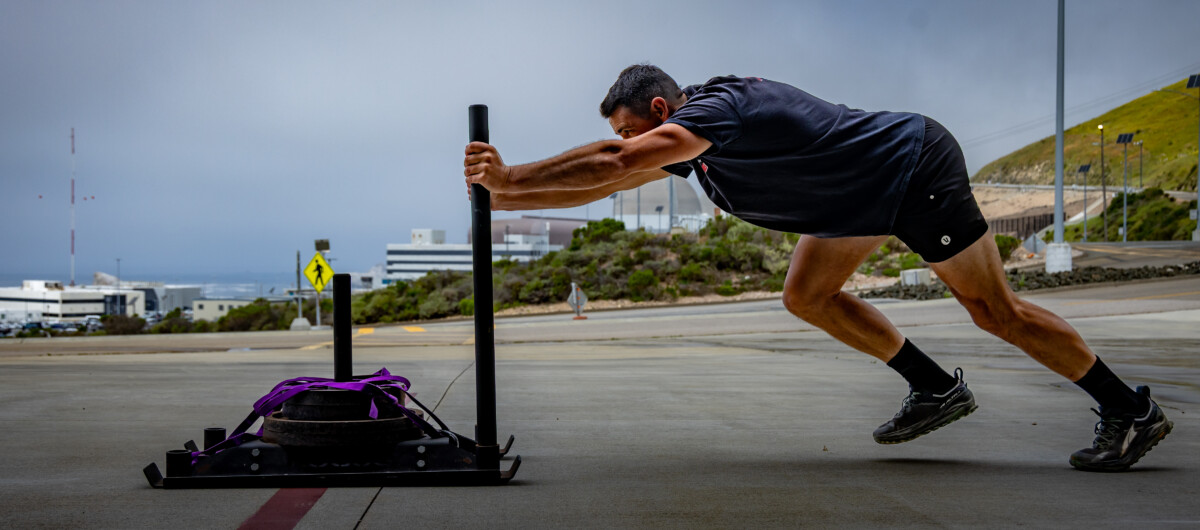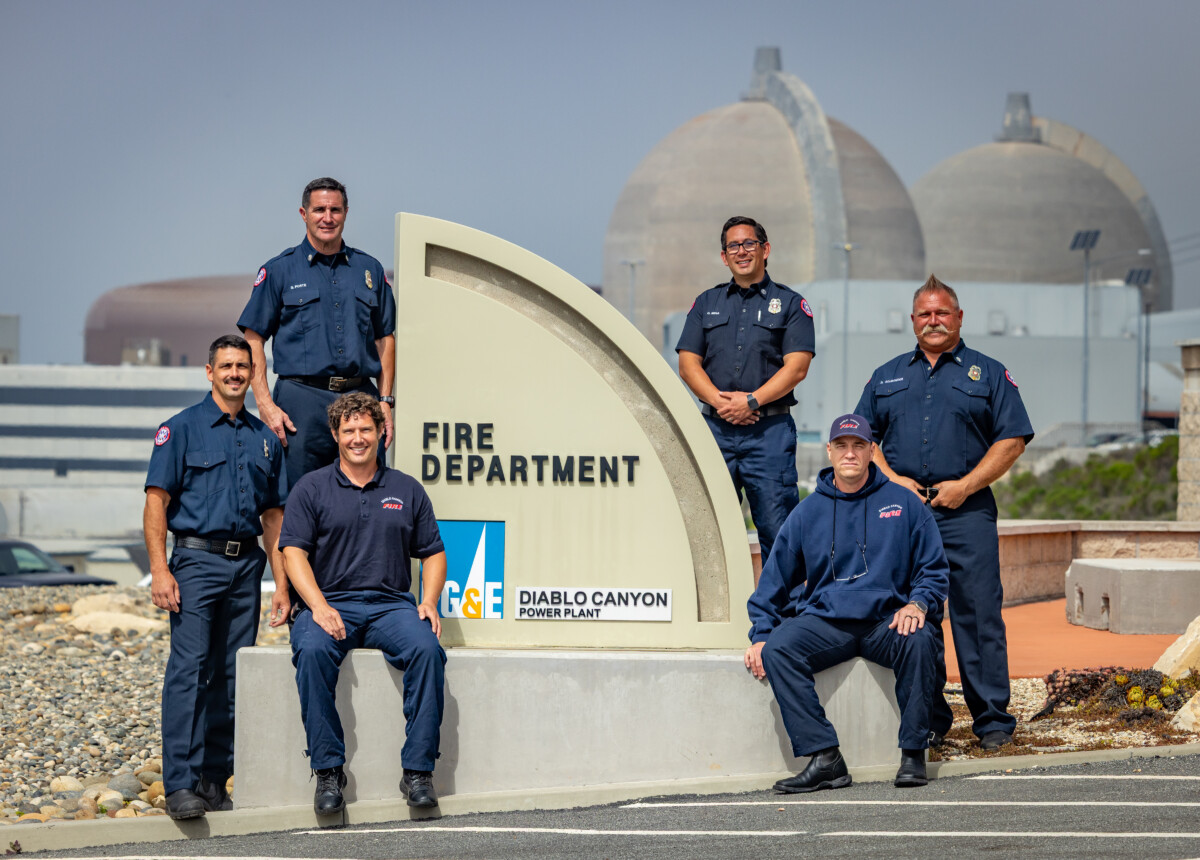
Once a year, an elite crew of IBEW 1245 firefighters specially trained for the unique demands of protecting Diablo Canyon Power Plant must earn the right to keep doing their job.
It starts with a sprint up a four-story training tower wearing nearly 100 pounds of turnout gear, air packs, and hose packs.
At the top, firefighters haul a 50-pound hose hand-over-hand to the roof, lower it back down, then race back to the ground.
Next comes a charged 100-foot hose drag across the parking lot. A rescue dummy pulled to safety. Five heavy hose rolls unloaded and restacked from the back of a fire engine.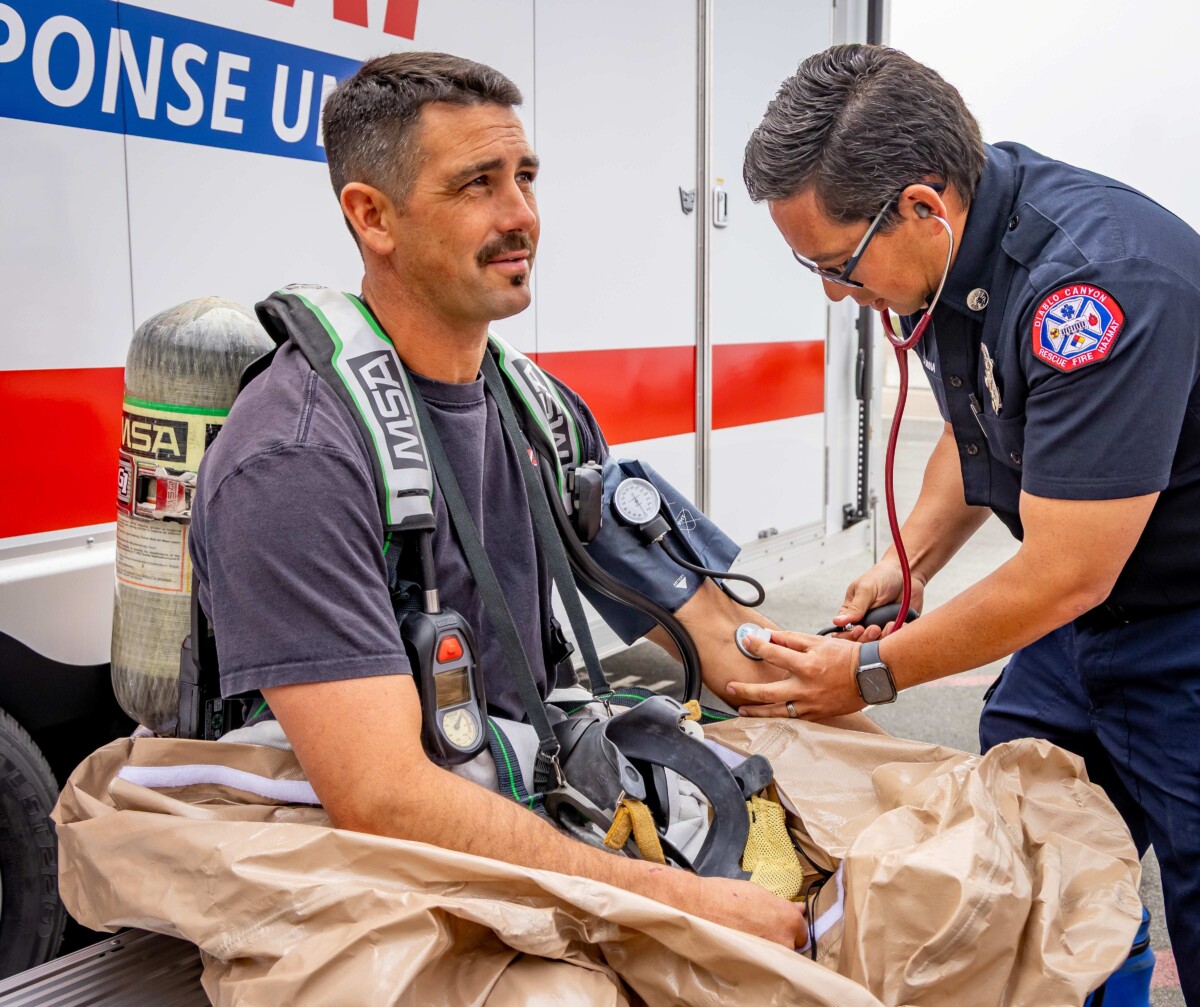
Then, while exhausted, firefighters must reconnect a sequence of varying-sized hose couplings.
Then 15 sledgehammer blows and driving a weighted sled across the pavement.
Then, for good measure, one final 400-meter lap.
The entire course must be completed in under eight minutes.
This isn’t just for fun — although the firefighters definitely have some fun with it as they compete and rib each other over their times.
In fact, for years, Jeff Benyo, a DC firefighter and 13-year member of 1245 held the course record. But this year he was knocked off the top spot by DC firefighter Ryan Mason, who finished the course in a blistering 4 minutes, 28 seconds. The twist? Mason is 10 years older than Benyo — which the crew hasn’t let Benyo forget.
But beneath the friendly competition is a very serious purpose. The test is designed to measure the strength, endurance, focus, and composure required to respond to an emergency at one of California’s most critical pieces of infrastructure. It’s preparation for a place where failure looks very different than a routine structure fire.
“Everybody here takes pride in the job,” said Benyo. “And the implied responsibility is always there.”
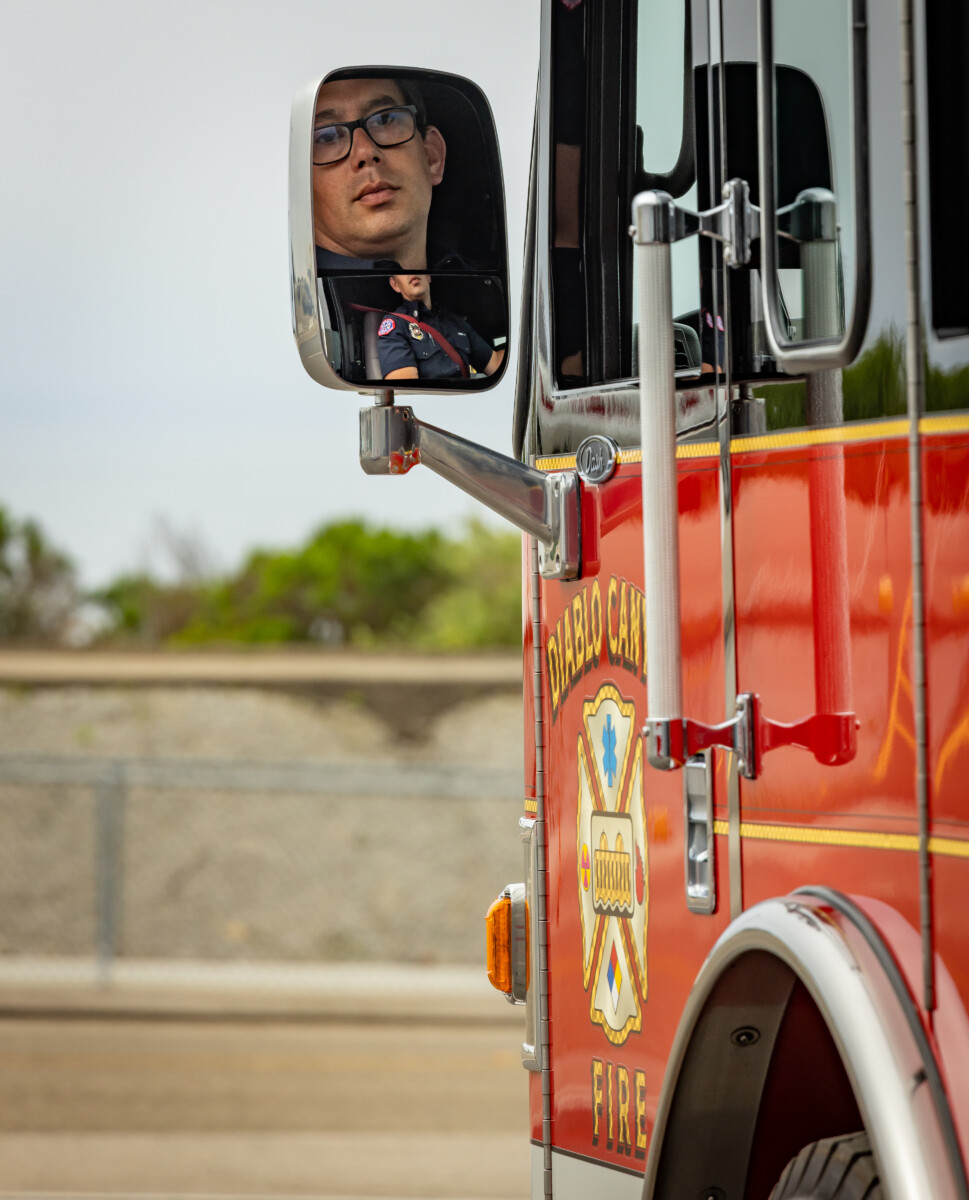
Their engine carries more than four times the Class B foam of a typical city rig—105 gallons instead of 25—because the transformers on site each hold thousands of gallons of oil, far more than most departments ever see. When one failed in the early 2000s and spilled burning oil, their engine rolled out and quickly smothered the fire under a blanket of foam. It was one of the department’s first major tests after receiving its specialized foam-capable Pierce engines and it performed exactly as designed.
But firefighting and medical emergencies are only part of the job here.
Every firefighter at Diablo Canyon Power Plant is also trained as a qualified radiation worker operating under strict federal oversight. During outages, they enter the plant’s containment dome to inspect reactor coolant systems. And on any given day, the job might involve supporting dive operations in seawater intake structures, testing fire suppression systems, or training for rope rescues high above the Pacific Ocean. In fact, during a recent containment dome inspection, firefighters trained in rappelling and technical rope rescues in case contract workers suspended outside the dome encountered trouble.
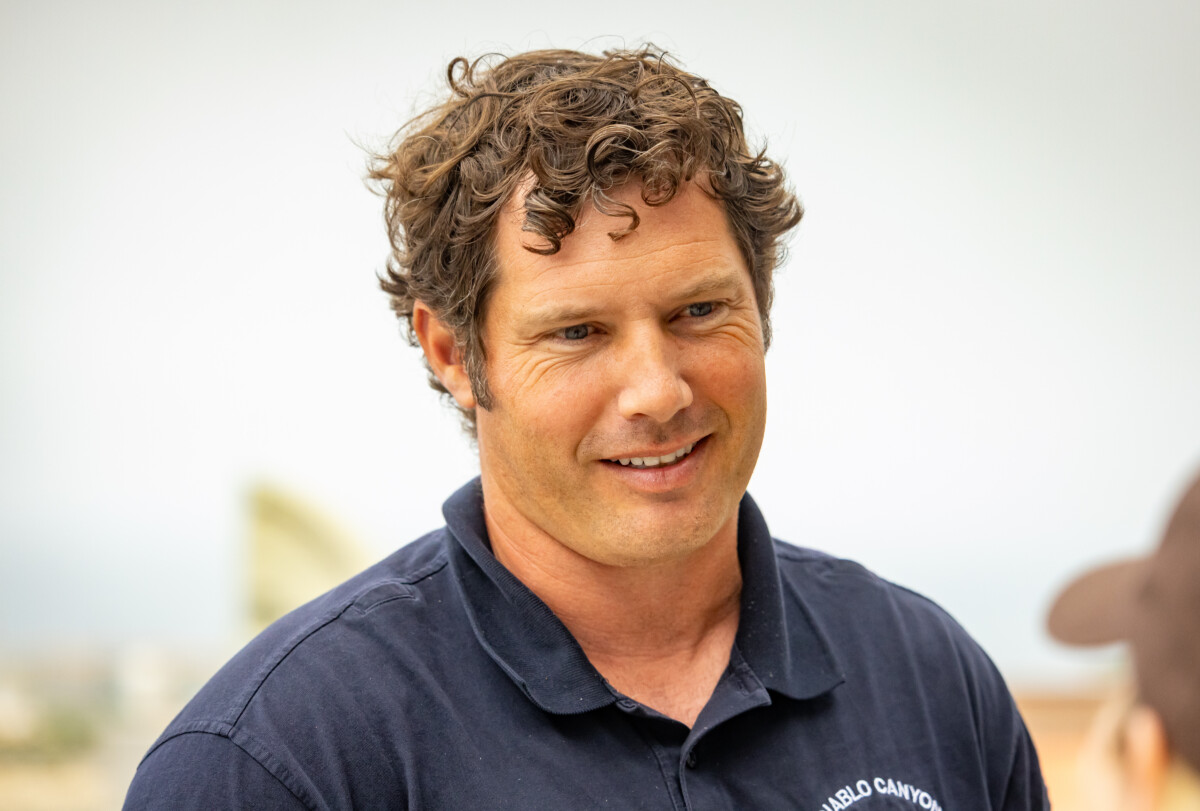
“There’s only 18 of us in California that are nuclear-grade firefighters,” said Eddie Bianchi, a DC Firefighter and 14-year member of 1245.
The job requires stacking certifications and qualifications most firefighters never need. New hires cannot simply arrive with a firefighter card and paramedic license. Because Diablo Canyon operates under federal nuclear oversight, recruits complete a six-to-eight-week in-house academy on top of standard PG&E and nuclear-specific training before they are cleared to work inside the plant.
And even after all of the training, the standards do not relax. In addition to the annual physical agility test, they must maintain radiation qualifications, and complete live-fire burns every year to keep their certifications current. They also serve on regional and county response teams outside the plant, assisting local fire agencies during major incidents and emergencies. Benyo, for example, serves on the county hazardous materials response team.
Around the firehouse, the bond between the crew is obvious. They spend long stretches living and working together inside the plant and they have built a level of trust that becomes essential in high-pressure situations. “You have to be strong enough to get your biggest guy out,” Bianchi said. “I want to be lighter for the guy hauling me, and I want to be strong enough to haul the guy out.”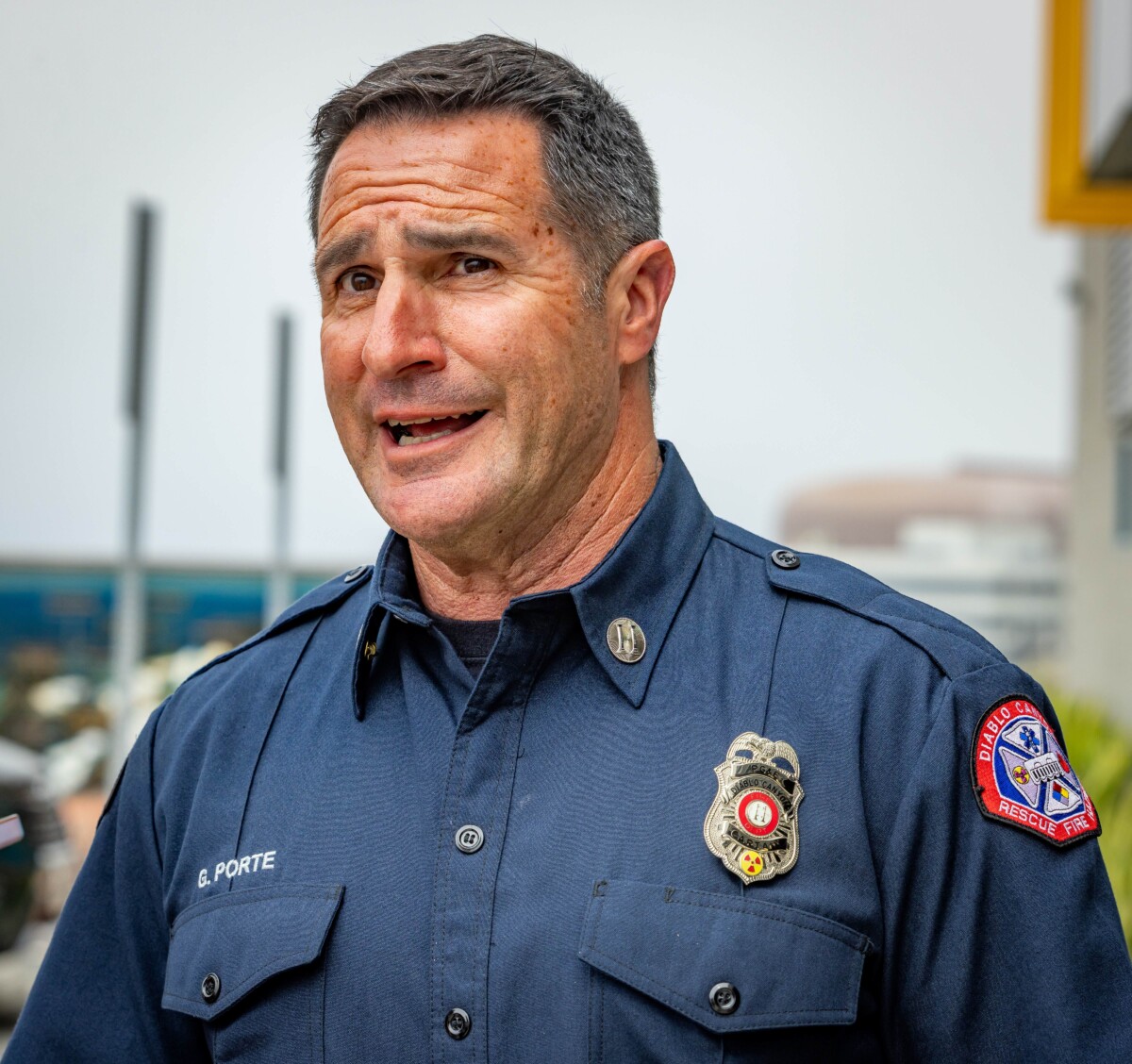
Fire Captain Greg Porte has watched the department evolve since its creation in 1998, when Diablo Canyon transitioned from an operations-based fire brigade to a dedicated all-risk fire department. A 37-year 1245 veteran, he says the department’s culture is built around preparation and accountability.
“We don’t run as many calls as a municipal fire department, so in order to keep our skill level up, we’re always training,” Porte said. “We just have to be prepared for the worst and hope it doesn’t happen. But if something does happen, we’re ready to go.”
“Safety is always our number one,” he said.