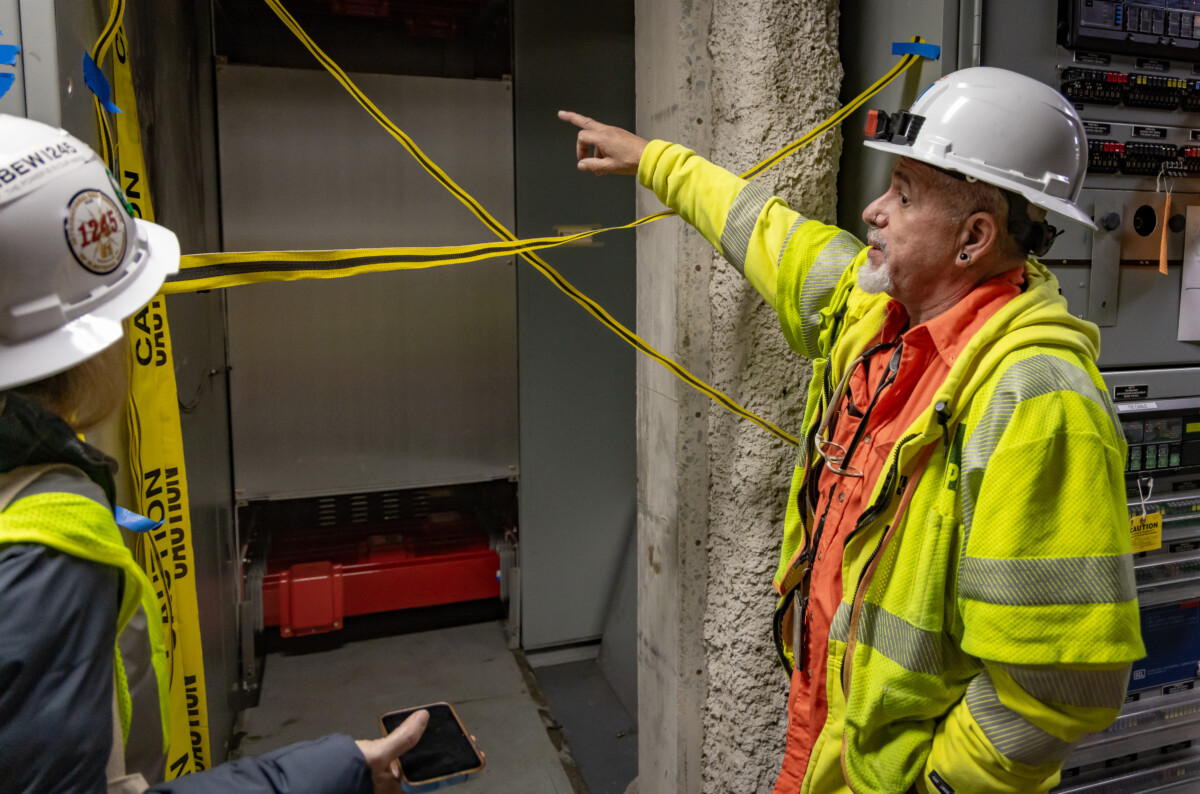
Dave Montoya, Switching Substation Electrician and incident commander, who helped to develop the fix that ultimately brought power back to the people of San Francsico, points out the area of the substation that was damaged.
Thirty-five-year PG&E employee and IBEW 1245 member, Dave Montoya was working at a substation in Millbrae when he got the call. Alarms were sounding at San Francisco’s Mission Substation. Hurry.
Montoya understood the stakes very well. For more than 31 years, he has covered San Francisco substations, and the Mission Substation is unlike most others.
While many substations have 25 to 30 breakers, the Mission Substation has roughly 150. While others might have two transformer banks, this one has five. More importantly, it doesn’t just serve customers directly, it feeds other substations and circuits across the area, giving it an enormous footprint.
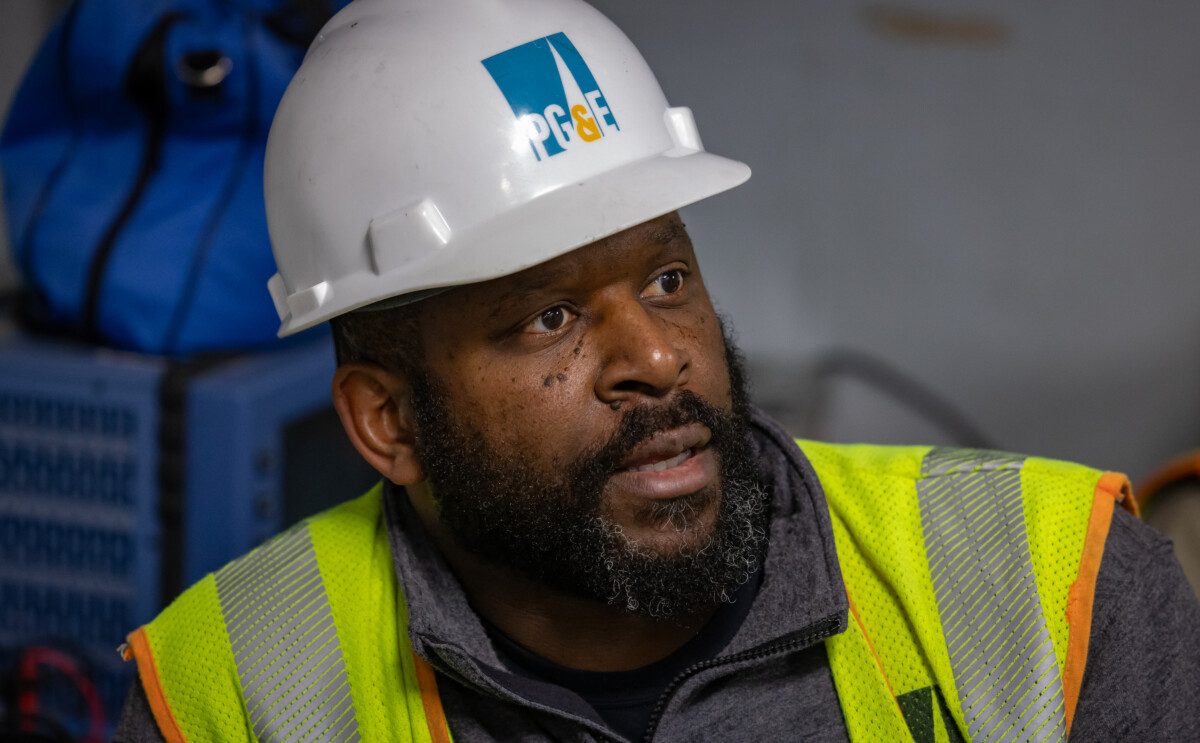
Terah Marsh, an Electrical Technician specializing in Protection & Control, who worked to bring the substation back online.
And the timing couldn’t have been worse. It was the weekend before Christmas, the busiest shopping weekend of the year.
Montoya headed straight for the substation. “We got in my truck and happened to take the right route, because there were so many lights out and traffic jams in the city,” Montoya said, noting that the outage itself immediately complicated the response.
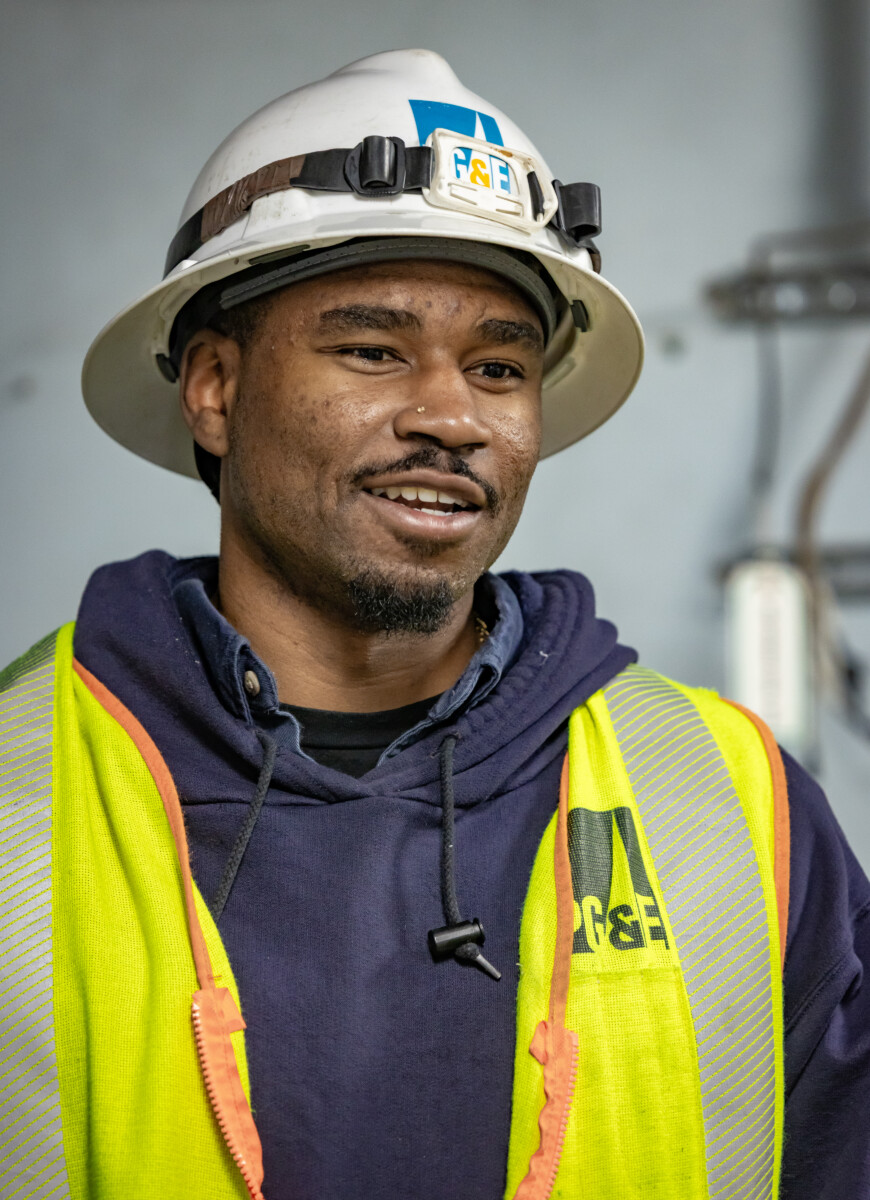
Wes Artis, a PG&E Electrical Technician, who focused on rebuilding the damaged bus.
When Montoya arrived on scene, smoke wafted out the door, alarms were sounding, and critical decisions had to be made—fast. By that point, one-third of the station was offline.
To allow firefighters to safely enter the building, the remaining two-thirds of the station had to be taken down. It was a high-stakes decision that Montoya coordinated coordinated quickly with Distribution System Operators out of the Concord DCC and Transmission System Operators and System Dispatchers out of the Vacaville GCC.
The Mission Substation is indoors. While that provides greater protection from weather and makes them more dependable, a fire inside creates unique, more dangerous conditions.
“Because it’s indoor, if you have a fire, it keeps us from going in at all,” Montoya said. “We used to put respirators on and go in, but we don’t do that anymore.” A change in safety standards that has, most certainly, saved lives.
Dropping the station meant additional customers would be impacted immediately, but it was the only way to protect first responders and prevent further damage. Guided by years of experience and a steady hand, he made the call that kept San Francisco safe.
After the threat was isolated, substation electricians began assessing damage while operations, transmission, and distribution teams shifted into restoration mode.
At the height of the outage that Saturday afternoon, approximately 130,000 customers across San Francisco were without power. By 9:30 p.m. crews had restored service to about 70 percent of those customers.
Among those working inside the substation were Terah Marsh, an Electrical Technician specializing in Protection & Control, and Wes Artis, a PG&E Electrical Technician, who focused on rebuilding the damaged bus.
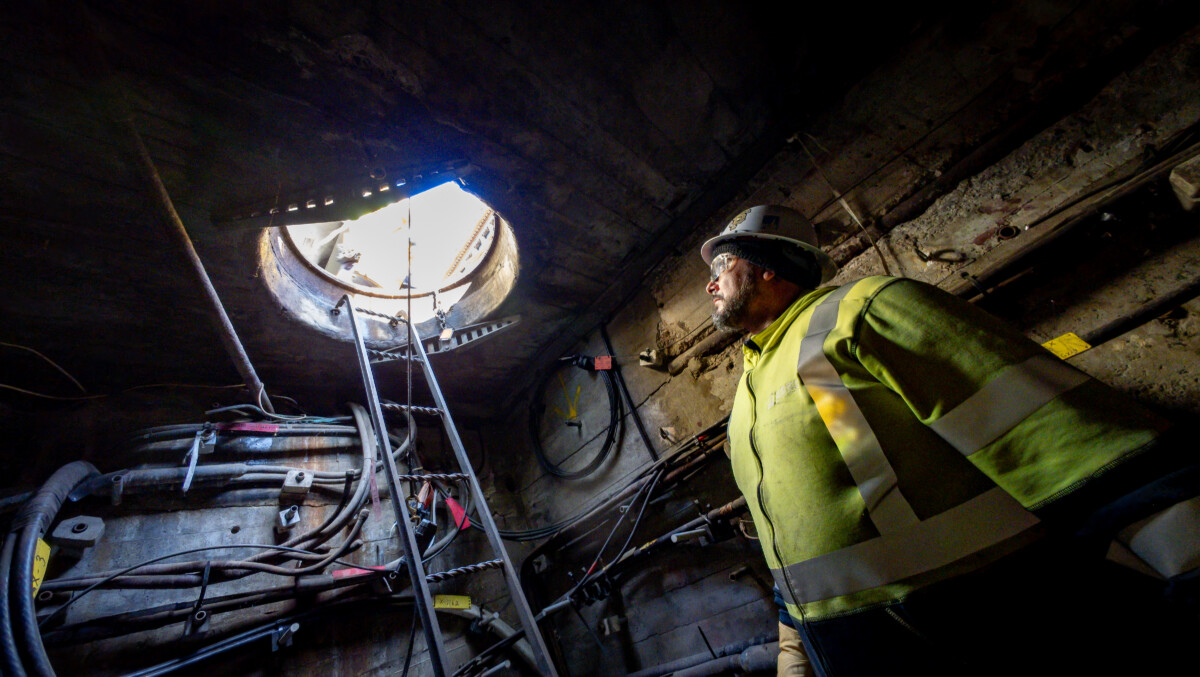
Damien Padilla, a Cable Crew Leader who marked 20 years with PG&E in September, helped to develop the fix that ultimately brought power back to the people of San Francsico.
“When emergencies happen, it’s much easier to make the problem worse than it is to make it better, so we are very careful with ever step,” Artis said.
Marsh, who has spent 10 years at PG&E, understands both the extreme danger of the work and the pressure that comes with restoring service to a community.
“You have to make sure everything is isolated, everything is safe, and everything is right before you re-energize,” Marsh said. “There’s no room for mistakes.”
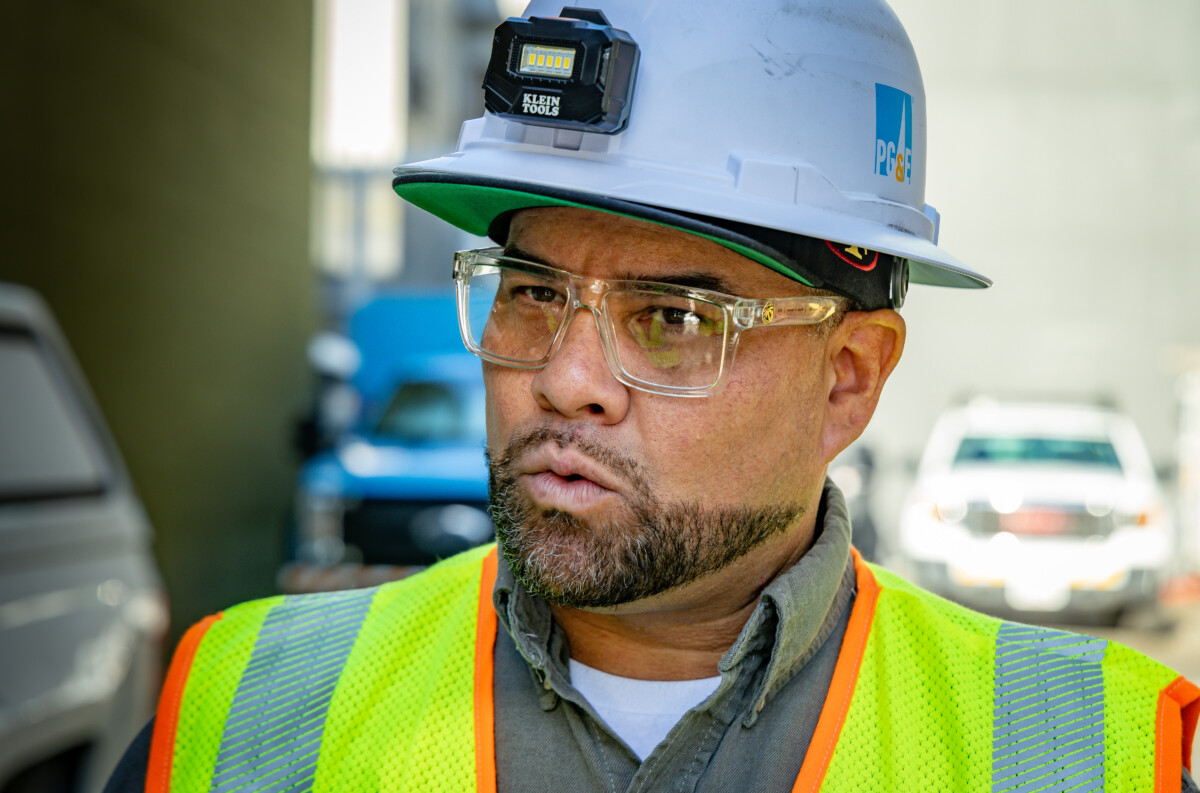
Marcos Severa, Substation Maintenance Crew Leader with 24 years at PG&E, played a key role in developing the solution that ultimately brought power back to the people of San Francisco.
While the damaged bus was being rebuilt, teams across multiple departments developed restoration plans, including how to reroute and reconfigure the system without relying on the compromised equipment.
Helping lead those efforts were IBEW 1245 members Dave Montoya; Damien Padilla, a Cable Crew Leader who marked 20 years with PG&E in September; and Marcos Severa, a Substation Maintenance Crew Leader with 24 years at PG&E.
The Utility Reporter caught up with Padilla while his crew was working on underground equipment. Padilla helped develop the plans and execute at the field-level. “We vetted every idea on how to restore service without the use of the substation with engineers, substation crews, and field teams to make sure it was safe and possible,” Padilla said. “When the power came back, it felt like winning the Super Bowl.”
Severa, who oversees some of the most dangerous work during outages: ensuring high-voltage equipment is isolated, grounded, and rebuilt correctly so power can be restored safely, emphasized the importance of coordination. “It took everyone working together, thinking outside the box and executing very focused work to restore service,” said Severa.
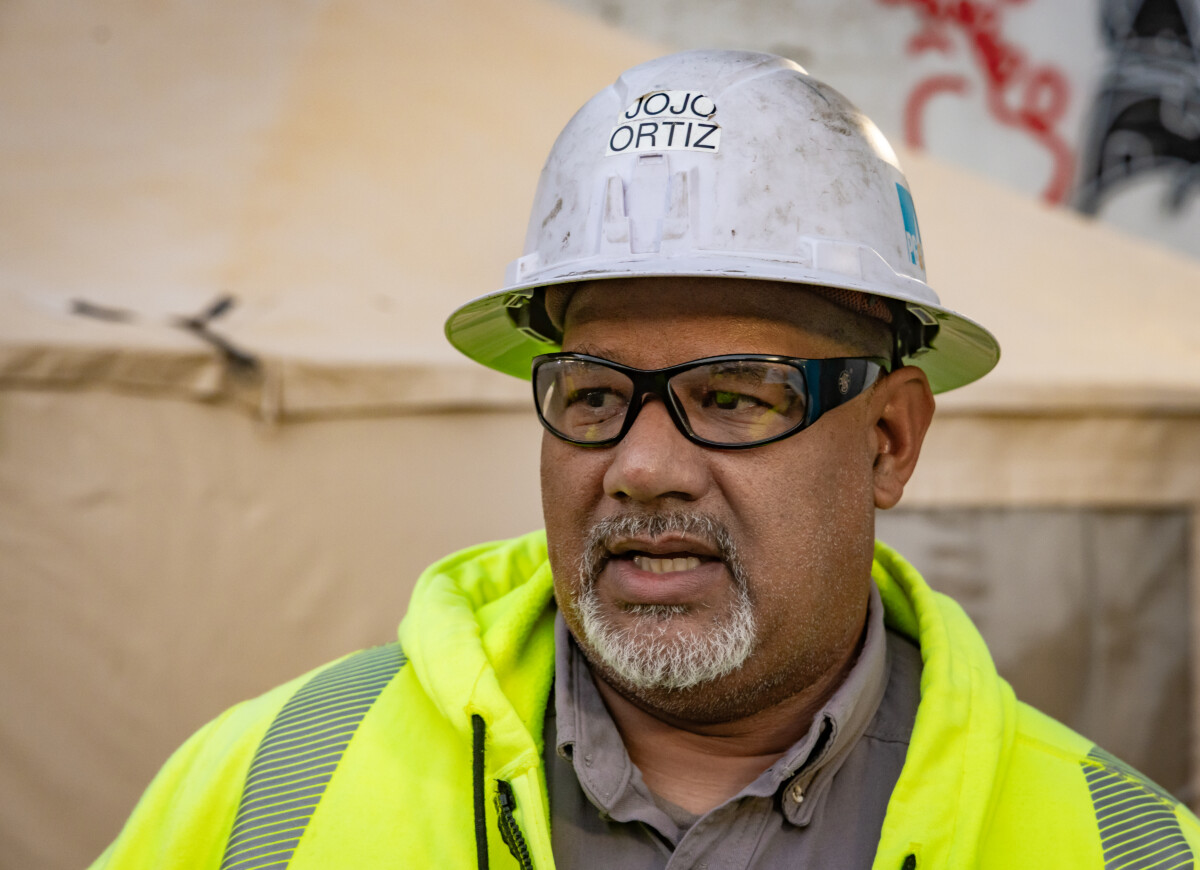
Joe Ortiz, Substation Foreman based in Oakland, coordinated crews and resources behind the scenes, ensuring the right people and equipment were in place to support the safe restoration of power.
While crews worked inside the substation and across the city, a massive behind-the-scenes operation was underway to support the restoration effort. Joe Ortiz, Substation Foreman based in Oakland, was at the center of that coordination.
Ortiz managed crews and resources throughout the holiday weekend, ensuring the right people, equipment, and expertise were in place to support safe restoration as conditions evolved.
“My job was to manage the chaos. We needed the right people in the right places at the right time,” Ortiz said. “That meant calling crews in off their holidays and asking them to sacrifice time with their families so we could safely get San Francisco back online.”
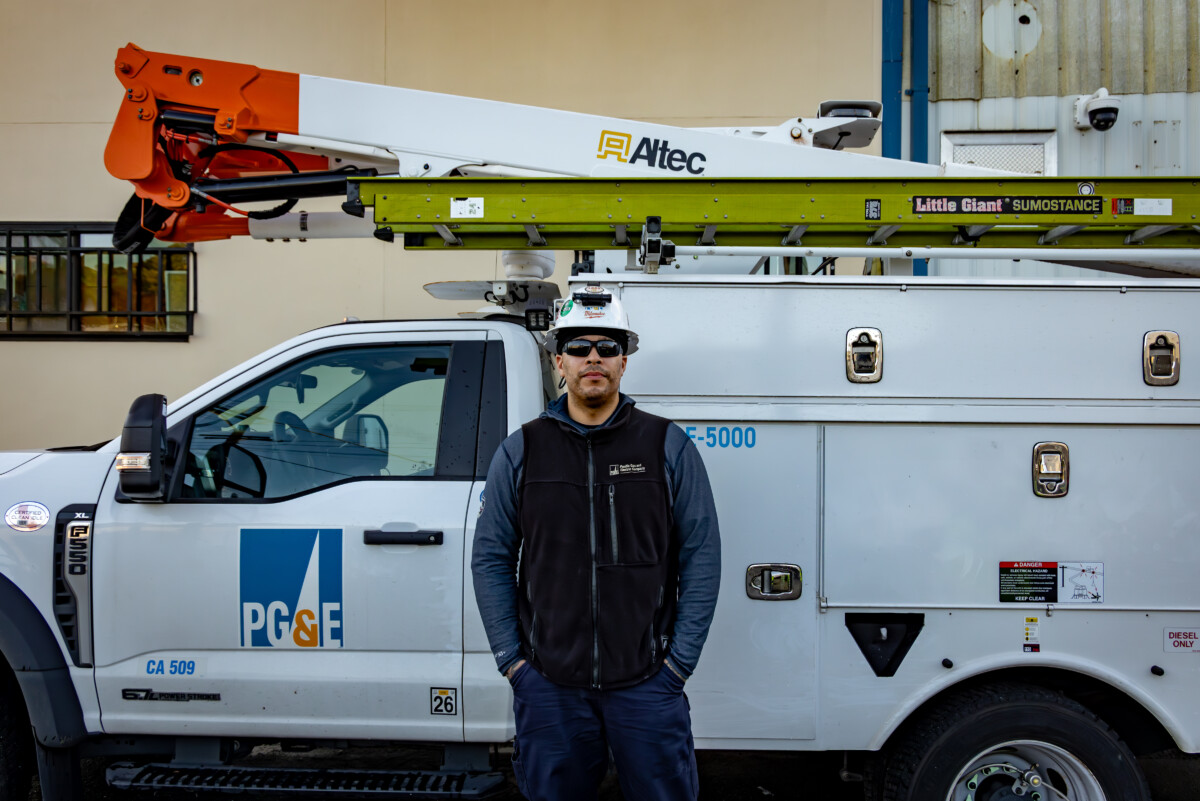
Michael Rodriguez, Troubleman, was among the first responders on scene, supporting firefighters and substation crews as the situation unfolded.
Among the many workers involved, troublemen like Michael Rodriguez played a critical role in the coordinated response. Rodriguez was among the first responders on scene, supporting firefighters and substation crews as the situation unfolded.
“Substation fires are rare, but responding to emergencies isn’t,” Rodriguez said. “The training prepares you to make good decisions.”
All of this work unfolded under intense public pressure, in a situation that demanded extraordinary focus, endurance, and technical expertise. Speaking to press in San Francisco, IBEW Business Manager Bob Dean emphasized that the many crews responding to the outage were among the most experienced and highly trained in the industry — working around the clock in dangerous conditions to diagnose problems, restore service, and keep the public safe.
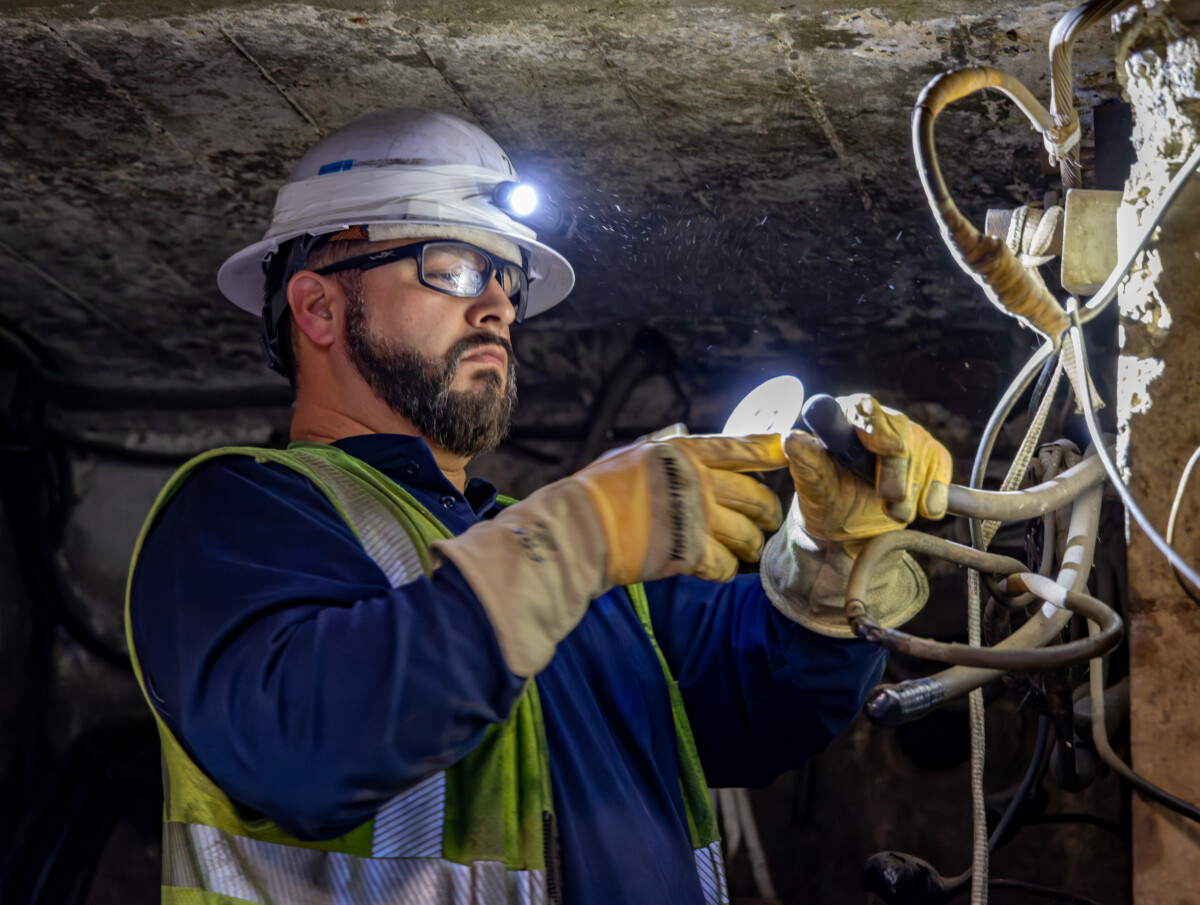
PG&E IBEW member works underground alongside Cable Crew Leader Padilla as part of the coordinated restoration effort.
“Finding and fixing problems during any outage is mentally and physically exhausting,” Dean said. “Add in the public pressure workers were under, and it takes things to another level. The focus, patience, and expertise they bring to this work is extraordinary. They set the standard for this kind of response.”
-Shannan Velayas, Communications Director.